
Beyond the Green: The DFW Homeowner's Guide to Lawn Colorants
Dye vs. paint vs. pigment explained, a four-season colorant plan for Bermuda, St. Augustine and Zoysia, and why golf courses use colorant instead of water-hungry winter overseeding.
The Flamingo Pros lawn team
8 min read · October 20, 2026
On this page
It's the second week of January. A cold front blew through Dallas, and every lawn on the street turned the color of a paper grocery bag overnight. Or it's mid-August, Fort Worth is on its twice-a-week sprinkler schedule, and the St. Augustine by the driveway looks tired and patchy. Either way, the view from the curb is not what you pictured when you bought the house.
Golf courses solved this problem years ago. Instead of fighting a dormant or stressed lawn with seed and sprinklers, superintendents across the South spray it with turf colorant. NC State Extension calls colorant the leading alternative to overseeding warm-season grass. The same products are now available for home lawns in DFW.
Yes, some people call it "painting your grass." No, it is not spray paint from the hardware store. Modern turf colorants are made for living grass, and the right one, used at the right time, has real agronomic and visual benefits. Here is how they work and how we use them through all four DFW seasons.
The science: dye vs. paint vs. pigment
"Colorant" is the umbrella term for anything that adds color to turf. According to NC State Extension, these products fall along a range defined mostly by one ingredient, the binder. Binder is the resin that holds color onto the grass blade. More binder means longer-lasting, more opaque color. Less binder means lighter, shorter-lived color that looks more natural on growing grass.
Dyes: the pro's spray marker
- What they are: Dyes dissolve fully in water. They form a solution, not a coating.
- How long they last: Very briefly. Dye fades fast and washes out.
- What pros use them for: Mostly as a spray-pattern indicator. A little dye in the tank shows our team exactly where a treatment has gone down, so nothing gets missed or sprayed twice.
You have probably seen dye without noticing it. That faint blue tint on a freshly treated lawn is a marker, not a makeover.
Paints: long-lasting color for sleeping grass

- What they are: Turf paints combine insoluble pigment with a binder. NC State Extension reports that binder makes up roughly 10 to 40 percent of a paint concentrate.
- How long they last: Typically 6 to 8 weeks, and sometimes longer on dormant grass that isn't growing or getting mowed. Weather and foot traffic shorten that window, so a long winter may call for a touch-up.
- Where they shine: Fully dormant winter lawns. Paint gives a deep, even green while the grass rests, without the water bill of overseeding with winter rye.
Pigments: the hybrid for growing grass
- What they are: Pigment products sit between dyes and paints. They use insoluble color particles, like paint, but with little or no binder.
- How long they last: NC State Extension puts pigment color at about 7 to 14 days on actively growing turf, since mowing clips the colored tips away.
- Where they shine: Semi-dormant or actively growing grass. Because some green is still showing, a light pigment layer deepens the natural color instead of covering it. Many pigment products can be tank-mixed with liquid fertilizer, so color can go down in the same pass. We always follow the product label on any mix.
| Type | Binder | Typical color life | Best for |
|---|---|---|---|
| Dye | None, fully water-soluble | Days | Marking where a treatment was sprayed |
| Paint | High | About 6 to 8 weeks, sometimes longer on dormant grass | Fully dormant winter lawns |
| Pigment (hybrid) | Low to none | About 7 to 14 days on growing grass | Semi-dormant or growing lawns |
The four-season colorant strategy for DFW
Warm-season grasses run on a predictable DFW calendar. Bermuda, St. Augustine and Zoysia grow hard from late spring through summer, slow down in fall and go dormant after the first hard freezes. A good colorant plan follows the same calendar.
Winter: green without overseeding
The traditional way to keep a dormant Bermuda lawn green is to overseed it with ryegrass each fall. It works, but it turns the off-season into a second growing season.
- It takes a lot of water up front. Texas A&M AgriLife calls for light, frequent watering, one to four times a day, until the rye seed germinates.
- It adds a second lawn to maintain. Rye needs mowing, fertilizer and water all winter, right when your Bermuda should be resting.
- It can slow spring green-up. The rye competes with Bermuda for water, light and nutrients as spring arrives. Clemson Extension notes the extra water, fertilizer and shade can set back St. Augustine and Zoysia, so it generally recommends overseeding only on Bermuda.
Colorant skips all of that. A winter paint application gives you a rich green yard while the Bermuda or St. Augustine underneath sleeps safely. No seed, no daily sprinkler cycles and no winter mowing. Winter is also when colorant makes the biggest visual difference, because the contrast with every brown yard on the block is hard to miss.
Spring: a head start on green-up
Dark colors absorb more sunlight. NC State Extension notes that colorant raises surface temperature, which may aid plant growth. Golf research summarized by GCSAA lists warmer soil temperatures and faster spring green-up, compared with overseeded turf, among the possible benefits.
In one USGA case study, staff at a country club estimated their painted Bermuda broke dormancy four to six weeks ahead of normal spring growth. Results vary by lawn and by year, but the principle is simple. A darker surface warms a little faster, and warm-season grass wakes up as the soil warms.
In early spring, we shift to a hybrid approach. Lighter pigment blends add color without heavily shading the new green leaves pushing through.
Summer: cover the rough spots
DFW summers are hard on lawns, and watering rules limit how much you can fight back with sprinklers. Dallas and Fort Worth both limit sprinklers to two assigned days a week. Dallas also bans sprinkler watering between 10 a.m. and 6 p.m. from April through October.
A light pigment application can hide:
- Heavy-traffic lanes along the fence line or the path to the back gate.
- Pet spots where the dog does its business.
- Mild heat stress that shows up as a dull, tired color in late July and August.
Two honest notes. First, color covers a symptom. If a spot keeps coming back, we look for the cause, such as compacted soil, a sprinkler gap or a nutrient problem. Second, turf researchers have raised concerns that heavy colorant on grass already under heat stress may hurt plant health. In summer, we use light pigment rates, never a heavy winter paint.
Fall: stretch the green season
As nights cool in October and November, warm-season grass starts to fade. A pigment or hybrid application during that slowdown keeps the yard green longer.
Timing matters here. NC State Extension found that colorant looks best when it goes on before grass turns fully straw-brown, because the remaining natural green enhances the color. A fall application on semi-dormant grass also sets up a smooth handoff to winter paint.
Why use colorant on a perfectly healthy lawn?
Colorant is not only for brown or damaged grass. Think of it as makeup for your lawn. A healthy lawn still benefits from a little extra color at the right moment.
Instant curb appeal
Hosting a graduation party, a backyard wedding or the neighborhood holiday gathering? Getting ready to list your home? Colorant gives you an even, deep green in an afternoon, with no waiting on fertilizer or new sod to take hold. It is one of the fastest ways to make the whole property look cared for in person and in photos.
A layer of UV shade for grass blades
In lab testing by Texas A&M researchers, nearly all of the colorants studied blocked ultraviolet light when measured in solution. The researchers note that the effect under real sunlight still needs more study, so we treat UV protection as a bonus, not a promise.
The same research found that long-lasting paints cut the visible light grass uses for photosynthesis by roughly 20 to 40 percent, compared with about 5 to 10 percent for short-term colorants. That is exactly why we save paints for dormant grass and use light pigments on growing lawns.
Green color without the water bill
Trying to force a dormant or drought-stressed lawn to stay green with sprinklers is expensive, and it often doesn't work. In winter, Texas A&M AgriLife advises against irrigating dormant Bermuda outside of dry spells. Cool temperatures and slow growth mean the grass doesn't need it. In summer, city watering limits cap how much you can do anyway.
Colorant holds its color without extra irrigation. Once it dries, you can follow normal seasonal watering advice and still enjoy a green lawn. The USGA lists savings on water, seed, fertilizer and labor as reasons golf courses switch from overseeding to colorant. The same logic works in a DFW backyard.
Green on the outside, healthy underneath
Colorant is makeup, not medicine. It changes how your lawn looks, not what is happening in the soil. The best results come when color sits on top of grass that is already well fed and well cared for.
That is how we approach it at Flamingo Pros. Our Turf Colorant Application service uses premium colorants matched to the season: paints for fully dormant winter lawns, pigments for growing grass and hybrid blends for the transitions in between. Colorant can permanently stain concrete, stone and fences, which is one more reason to leave application to a pro. You can see an estimated price range for your lawn size right on the service page.
Under the color, every Flamingo Pros service is data-driven. The Green & Pink Plan, our flagship, is built on real soil tests, taken when service starts and periodically through the year, so treatments match what your soil actually needs. Every service is easy to schedule and track in the Flamingo Pros customer app, with visit reports and soil results in one place.
Don't guess. Let the data and our DFW experts give you the greenest yard on the block.
Sources
- Guide to Using Turf Colorants, NC State Extension.
- Just passing through: Turf colorants and light transmission, Golf Course Management (GCSAA), research conducted at Texas A&M.
- Using Colorant Instead of Overseeding Fairways, USGA Green Section.
- The Need to Overseed, Texas A&M AgriLife Extension.
- Overseeding With Ryegrass, Clemson Cooperative Extension.
- Bermudagrass Home Lawn Management Calendar, Texas A&M AgriLife Extension.
- How Long Will Endurant Turf Colorant Last?, Geoponics (colorant manufacturer).
- Twice-Weekly Watering Schedule FAQ, Dallas Water Utilities.
- Year-round outdoor watering requirements, City of Fort Worth.
Photo credits
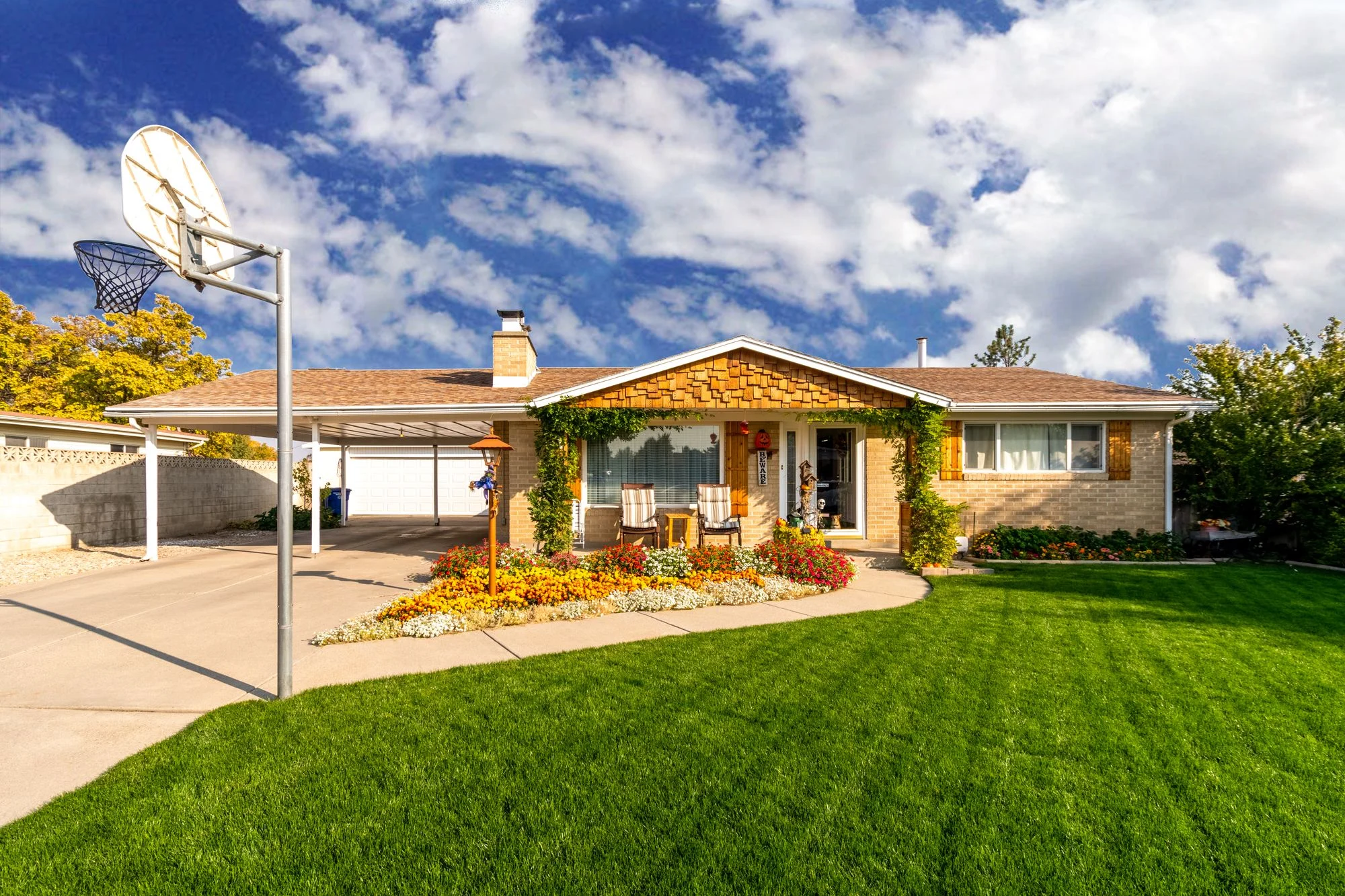
- Cover: ranch home with a green lawn. Get Lost Mike, Pexels, Pexels license (free to use).
- Dormant Bermuda grass: Famartin, Wikimedia Commons, CC BY-SA 4.0. Resized.
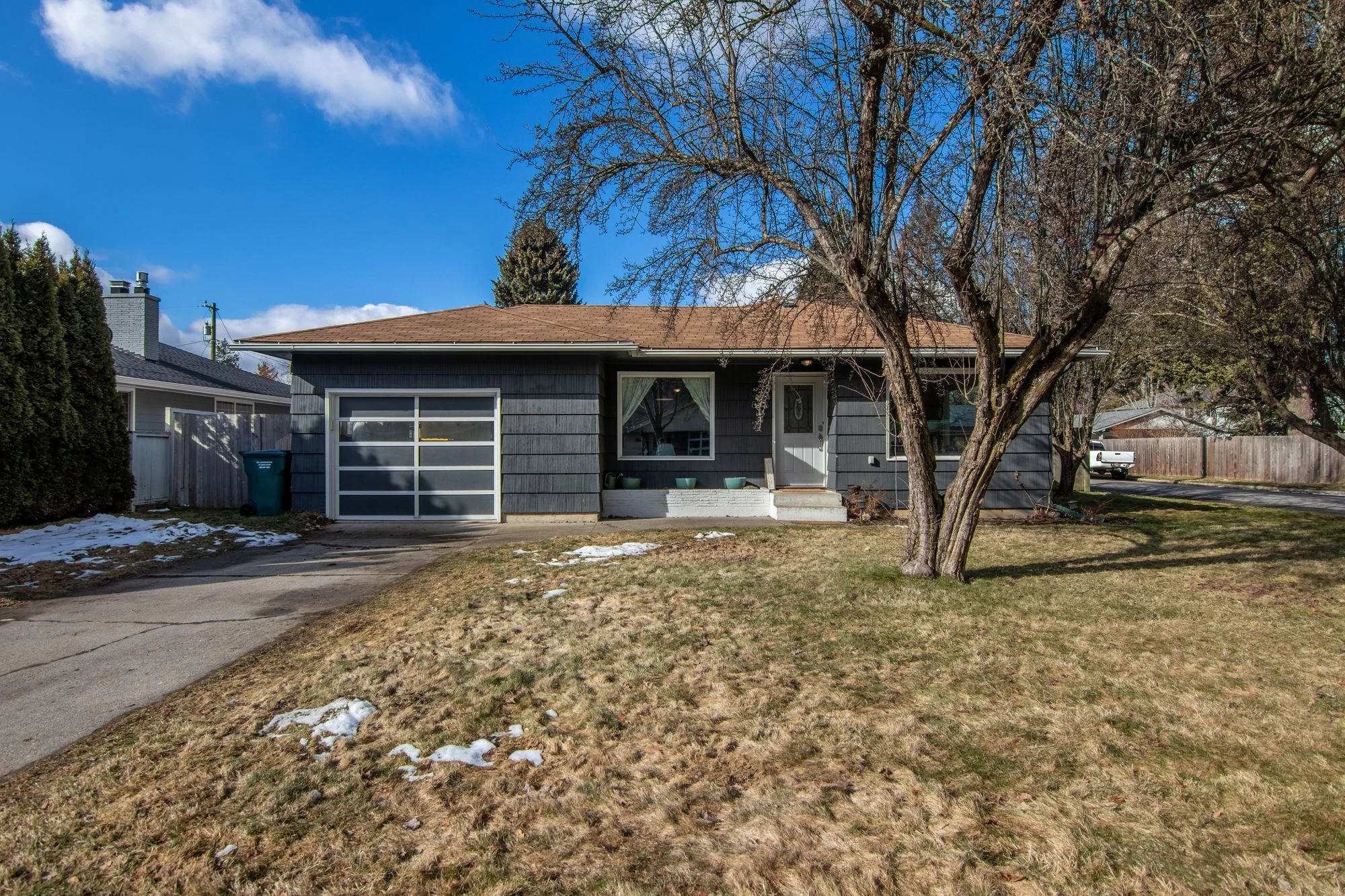
- Home with a dormant winter lawn: Clay Elliot, Pexels, Pexels license (free to use).
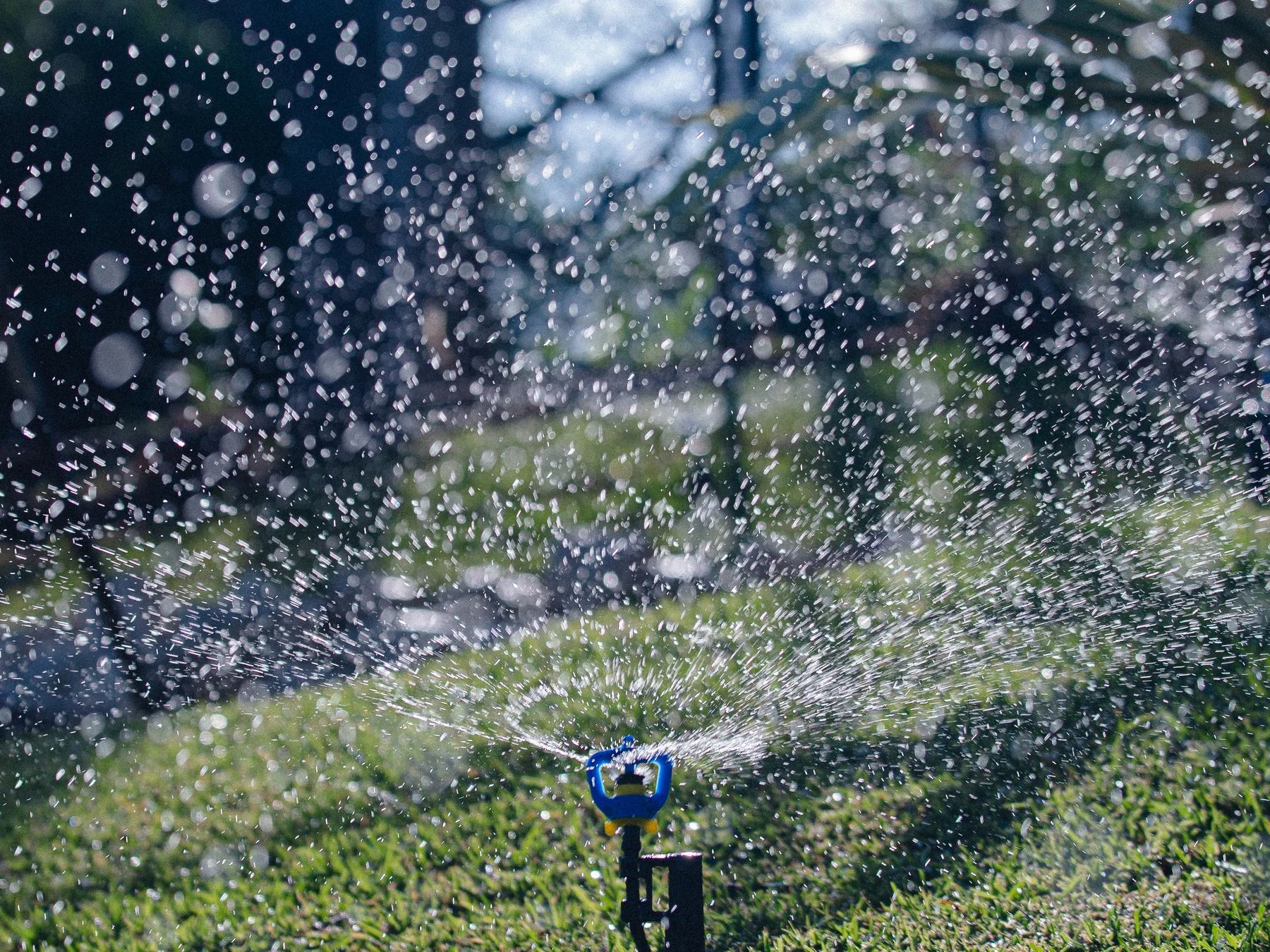
- Sprinkler on a lawn: Jonathan Córdova R., Pexels, Pexels license (free to use). Cropped.
Skip the guesswork every season.
Year-round care
The Pink Plan
Eight seasonal visits a year
Included in plan
- Seasonal fertilization & weed control
- Inspection at every visit
- Treatments timed to your lawn’s needs
- Soil tests at your first and last treatment
- An online Lawn Profile with your soil results
Aeration benefits
- Relieves the compacted clay soil common in North Texas
- Helps air and water reach roots
- Helps treatments absorb into the soil for more consistent, visible results
- Helps your grass stand up straighter
Your price
$129/ month
12 monthly payments, $1,548 a year.
- Lot size
- Up to 15,000 sq ft
- Billing
- Monthly
- + Soil Testing
Regular price $158FREE - + Lawn Core Aeration
Regular price $299FREE
One core aeration a year is part of the plan.


Service
Turf Colorant Application
Makeup for your lawn. A natural-looking green any time of year, with the biggest change in winter.
Learn more about turf colorant applicationIdeal window
$0.15/ sq ft
Keep reading
Lawn care built for Dallas-Fort Worth, not anywhere else
Dallas lawn care made for North Texas clay, heat, and watering rules. See how Flamingo Pros builds a custom plan for your grass, soil, and shade.
10 min read · October 22, 2026

Should I water my DFW lawn in winter? And if so, how much?
Should you water your DFW lawn in winter? Yes, but 50% to 75% less. How often to water dormant Bermuda, St. Augustine, and Zoysia, plus freeze tips.
7 min read · October 22, 2026

Guesswork vs. Data: Why Soil Testing is the Secret to a Lush DFW Lawn
Why DFW's alkaline clay makes guessing expensive, the real benefits of soil testing for Texas lawns, and how Flamingo Pros tests your soil when service starts and periodically each year to track soil health.
8 min read · October 20, 2026