
Let your DFW lawn breathe: a Texas pro's guide to core aeration
Why DFW clay packs so tight, how core aeration fixes it, and why May or June is the right time to aerate Bermuda and St. Augustine.
The Flamingo Pros lawn team
7 min read · October 19, 2026

On this page
You set the sprinklers for 20 minutes. Five minutes in, water is sheeting off the lawn, across the sidewalk and down the gutter. The grass by the curb still looks thirsty. Sound familiar?
That is not a sprinkler problem. It is a soil problem. Across DFW, the ground under our lawns gets packed so tight that water, air and fertilizer can't get in. Core aeration is how we open it back up. Here is what it does, why our clay needs it and exactly when to do it.
What core aeration actually does
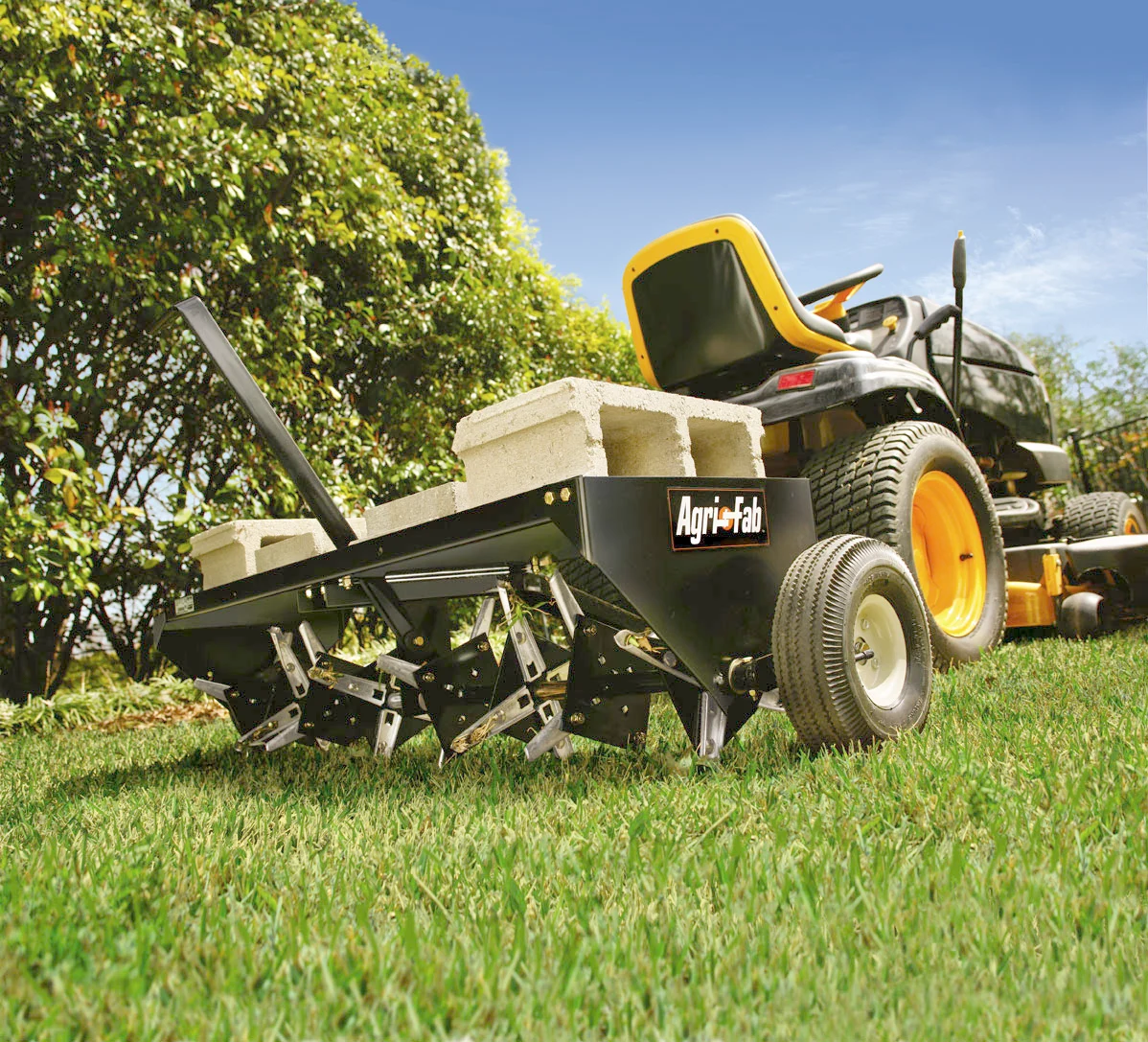
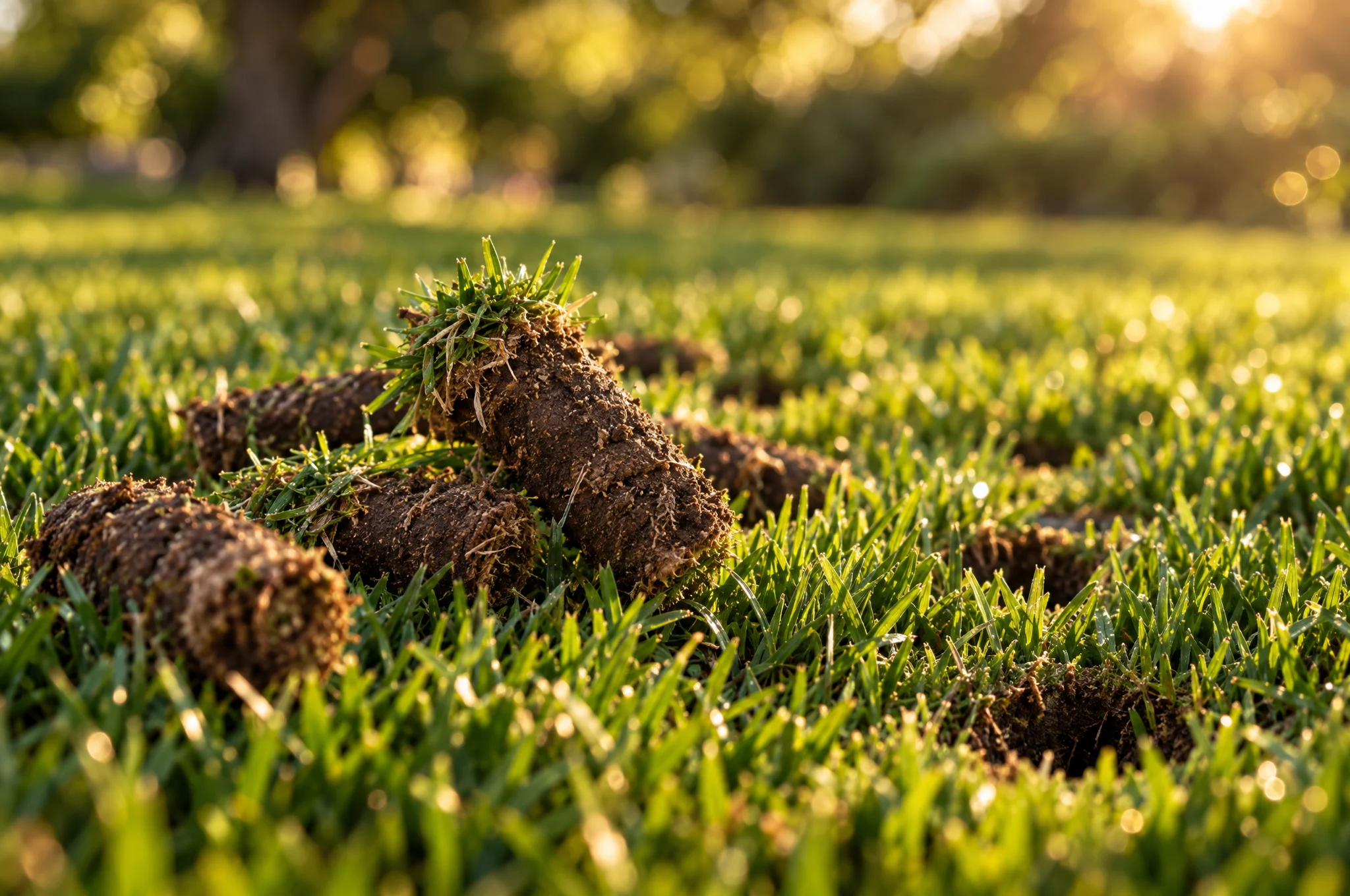
A core aerator rolls across your lawn on a drum of hollow tines. Each tine punches into the ground and pulls out a small cylinder of soil, thatch and grass. Those cylinders are the plugs, or cores, you see scattered on a freshly aerated yard.
University of Maryland Extension describes typical core aerators like this:
- Plug width: about 1/2 to 3/4 inch across.
- Plug depth: about 2 to 4 inches deep.
- Spacing: about 2 to 6 inches apart.
Every hole is an open channel. Air, water and nutrients move down into the root zone, and the packed soil around each hole finally has room to loosen up.
Core aeration vs. spike aeration
You will see spike aerators at the big-box store and even spiked "aerator sandals." They look similar. They do the opposite job.
- Core aeration removes soil. Taking a plug out leaves real empty space behind.
- Spike aeration just pokes holes. A solid spike shoves soil sideways and down.
- Spikes can make clay worse. Texas A&M AgriLife notes that spikes compact the sides of each hole even further. University of Maryland Extension goes further and says solid-tine machines should not be mistaken for aerating equipment at all.
On DFW clay, we only use hollow-tine core aeration.
Why we leave the plugs on your lawn
The plugs look messy for a few days. Leave them anyway.
- They break down on their own. Rain, sprinklers and mowing crumble them back into the turf.
- They help with thatch. The soil and microorganisms in each plug mix into the thatch layer and help break it down.
- Raking them up wastes the benefit. That soil belongs back on your lawn, not in a bag at the curb.
Want a bonus? Texas A&M AgriLife suggests a thin top dressing of compost right after aerating. Water it in and the compost filters down into the holes.
How to fix compacted clay soil in Dallas
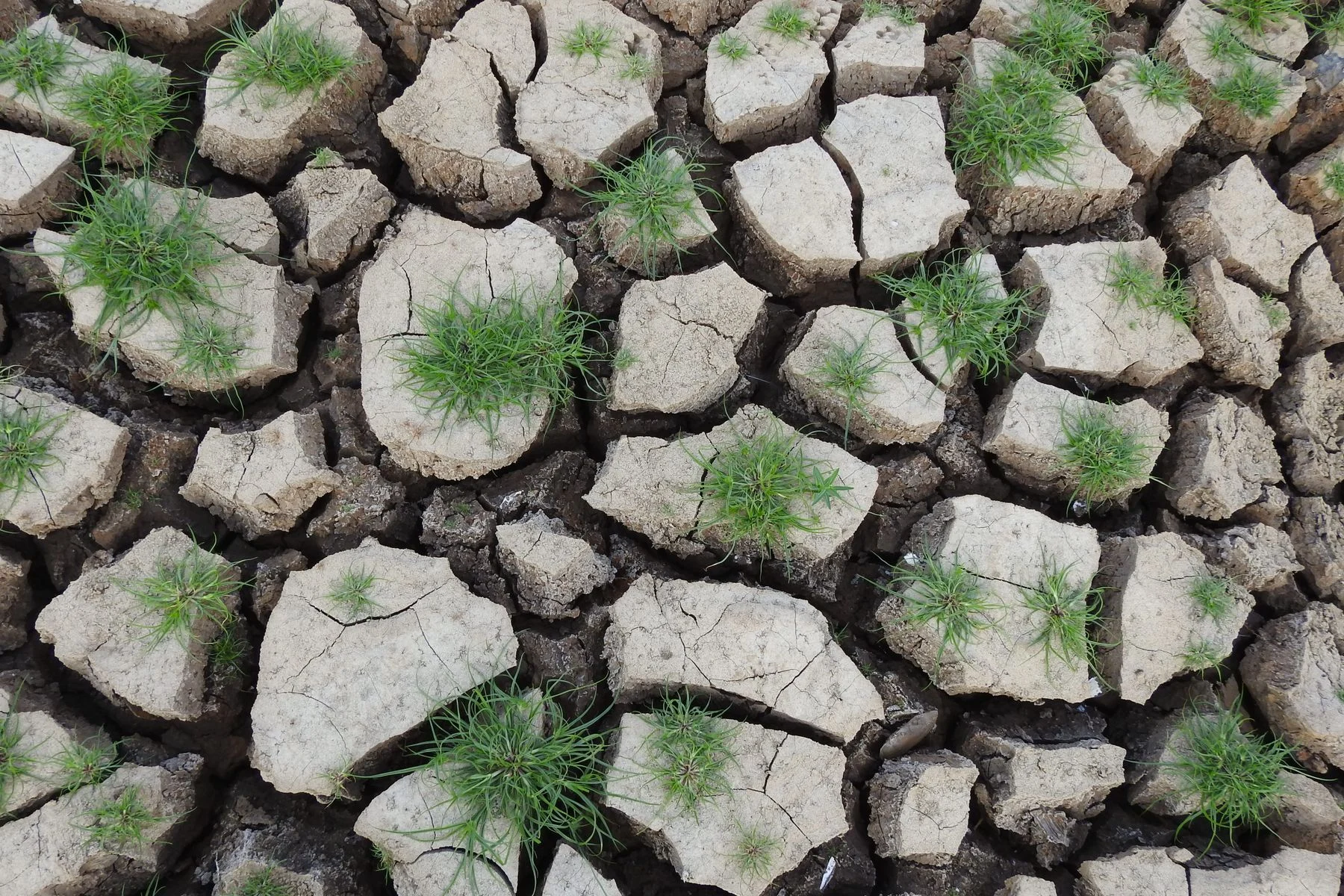
Much of DFW sits on heavy, dense clay. When it is wet, it is sticky. When it dries out in summer, it shrinks, cracks and sets up hard. Clay particles are tiny and pack together easily, so there is very little open space left for air and water.
What packs DFW soil even tighter
- Foot traffic. Texas A&M AgriLife explains that every step presses down on clay and squeezes out its air pockets. Think dog runs, kids' soccer goals and the shortcut from the driveway to the back gate.
- New-home construction. Heavy equipment rolls over a lot for months. Builders often leave the yard with compacted fill and only a thin layer of soil under fresh sod.
- Working wet soil. Traffic, mowing or parking on soggy clay after a storm packs it down hardest of all.
How compaction suffocates roots
Roots need oxygen just like the leaves do. In compacted clay, the pore spaces that should hold air are crushed shut.
- Roots stay shallow. They can't push through dense soil, so they spread out in the top inch or two.
- Water can't get in. It runs off before it soaks down to the roots.
- When it does soak in, it lingers. AgriLife points out that compacted clay can hold water at the roots too long once it finally gets wet.
- The lawn thins out. Weak, shallow-rooted grass leaves bare spots that weeds are happy to fill.
Three DFW yards that need aeration
Here are the three situations we see most across the Metroplex.
The sprinkler that waters the street
Your irrigation runs on schedule, but water pools on the surface and runs down the curb within minutes. The spots near the sidewalk stay crispy no matter how long you water. The soil surface has sealed up. Aeration gives that water somewhere to go.
The new-build yard that feels like concrete
You moved into a brand-new subdivision. The sod looked great on closing day. Two summers later, it is thin and patchy, and a shovel barely breaks the ground. That rock-hard feel is construction compaction. Texas A&M AgriLife calls out newer lawns with little organic matter as prime candidates for aeration.
The backyard that never gets a break
Kids play there every afternoon. The dog patrols the same path along the fence. Grass in those lanes is thin, the soil is bare and the rest of the yard looks fine. University of Maryland Extension suggests aerating heavy-traffic lawns every one to two years.
Quick test: is your soil compacted?
- Water the lawn lightly the day before.
- Push a long screwdriver into the soil in a few spots.
- Compare the high-traffic areas with a quiet corner of the yard.
If the screwdriver stops hard after an inch or two, or puddles linger after rain, your lawn is a good candidate.
When to aerate your lawn in North Texas (Bermuda & St. Augustine)
Timing matters as much as the machine. Bermuda and St. Augustine are warm-season grasses. Aerate them when they are growing hard, so they fill in those holes fast.
The sweet spot: late spring to early summer
For most DFW lawns, that means May or June.
- The lawn has fully greened up. Spring green-up is behind you and the grass is actively growing.
- The grass heals fast. Runners and roots spread into the open holes within weeks.
- It sets you up for summer. Roots have time to grow deeper before the August heat arrives.
- The soil should be moist, not soggy. Texas A&M AgriLife recommends aerating when soil moisture is adequate so the tines pull a clean core. A good soaking a day or two before helps on dry clay.
Do not aerate dormant grass in winter
We get asked about winter aeration every year. Our answer is always the same: wait.
- Dormant grass can't heal. Brown, sleeping Bermuda and St. Augustine won't fill the holes until spring.
- Open holes invite weeds. Winter weeds are actively growing and will happily move into bare soil.
- Exposed roots dry out. Cold, dry winter wind on open holes stresses roots that are already resting.
- Extension experts agree. University of Maryland Extension puts it simply: never aerate when a lawn is dormant.
Use the winter months to plan instead. Mark your calendar for late spring.
The payoffs you will see by August
A single aeration won't change your lawn overnight. Over a season, here is what it buys you.
Storm water soaks in instead of running off
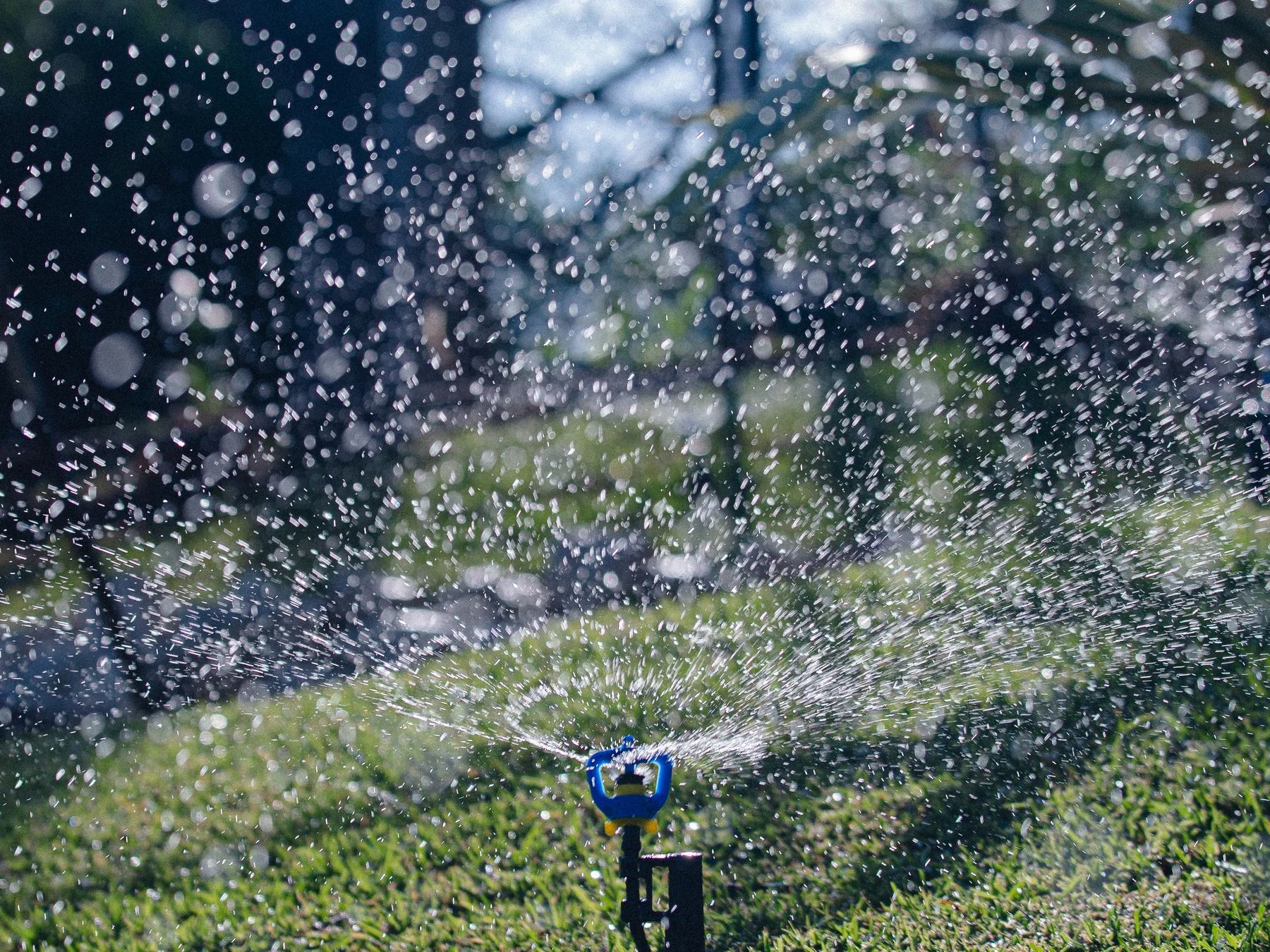
Texas thunderstorms can drop a lot of rain fast. On sealed clay, most of it races into the street. Aeration holes act like thousands of small drains, so more of that free water reaches the roots. The same goes for your irrigation, so less of your water bill ends up in the gutter.
Fertilizer reaches the root zone
Fertilizer only helps if it gets to the roots. On compacted soil, granules sit on top or wash away in the next storm. Open holes let nutrients move down to where the grass can use them. That means more value from every seasonal treatment.
Deeper roots for August heat
This is the big one. Loosened soil lets roots grow deeper, where moisture lasts longer. Texas A&M AgriLife notes that shallow roots in the top two inches dry out fast in summer heat. A lawn with deep roots stays greener through August and bounces back faster from drought stress.
Your DFW aeration checklist
- Pick a date in May or June once the lawn is fully green and growing.
- Flag your sprinkler heads and any shallow cable or invisible dog fence lines so the tines miss them.
- Water a day or two before so the soil is moist, not muddy.
- Mow a little lower than usual right before aerating, without scalping.
- Make two passes on compacted areas, going a different direction on the second pass.
- Leave the plugs and let rain, sprinklers and mowing break them down.
- Top dress with compost if you want an extra boost, then water it in.
- Keep your normal mowing and watering schedule afterward so the lawn fills in quickly.
Rather skip the heavy rental machine? Flamingo Pros offers core aeration as a standalone service, but it's also included for free when you sign up for the Green & Pink Plan by February 28th, 2027. We aren't your typical lawn company. We take the guesswork out of lawn care by running soil tests at the start and end of the year to give your yard exactly what it needs. Plus, our data-driven, 8-visit seasonal plan is managed entirely through our easy-to-use customer app, so you can track your lawn's progress right from your phone. Let your lawn breathe, and let us handle the heavy lifting.
Sources
- Bermudagrass Home Lawn Management Calendar, Texas A&M AgriLife Extension.
- St. Augustinegrass Management Calendar, Texas A&M AgriLife Extension (PDF).
- Simple Steps to Lawn Care, Texas A&M AgriLife Extension, Travis County.
- Lawn Aeration, University of Maryland Extension.
- Soil Compaction, Cornell Turfgrass Program.
Photo credits
- Cover: aerial view of a suburban home with a green lawn. Curtis Adams, Pexels, Pexels license (free to use).
- Plug aerator on a lawn: Agri-Fab, Inc., Wikimedia Commons, CC0.
- Cracked clay with grass: Andrei Simon Amisi, Pexels, Pexels license (free to use).
- Sprinkler on a lawn: Jonathan Córdova R., Pexels, Pexels license (free to use). Cropped.
Skip the guesswork every season.
Year-round care
The Pink Plan
Eight seasonal visits a year
Included in plan
- Seasonal fertilization & weed control
- Inspection at every visit
- Treatments timed to your lawn’s needs
- Soil tests at your first and last treatment
- An online Lawn Profile with your soil results
Aeration benefits
- Relieves the compacted clay soil common in North Texas
- Helps air and water reach roots
- Helps treatments absorb into the soil for more consistent, visible results
- Helps your grass stand up straighter
Your price
$129/ month
12 monthly payments, $1,548 a year.
- Lot size
- Up to 15,000 sq ft
- Billing
- Monthly
- + Soil Testing
Regular price $158FREE - + Lawn Core Aeration
Regular price $299FREE
One core aeration a year is part of the plan.

Service
Lawn core aeration
Relieves soil compaction so air, water and treatments reach the roots. Scheduled outside the DFW dormant season.
Learn more about lawn core aerationIdeal window
Size tier
Up to 5,000 sq ft
$249/ one-time
Keep reading
Lawn care built for Dallas-Fort Worth, not anywhere else
Dallas lawn care made for North Texas clay, heat, and watering rules. See how Flamingo Pros builds a custom plan for your grass, soil, and shade.
10 min read · October 22, 2026

Should I water my DFW lawn in winter? And if so, how much?
Should you water your DFW lawn in winter? Yes, but 50% to 75% less. How often to water dormant Bermuda, St. Augustine, and Zoysia, plus freeze tips.
7 min read · October 22, 2026

Guesswork vs. Data: Why Soil Testing is the Secret to a Lush DFW Lawn
Why DFW's alkaline clay makes guessing expensive, the real benefits of soil testing for Texas lawns, and how Flamingo Pros tests your soil when service starts and periodically each year to track soil health.
8 min read · October 20, 2026